When is the best time to perform Umrah? A 2026 month-by-month guide to Makkah's weather, crowd levels and hotel prices — including Ramadan, the Hajj pause, and the cheapest, quietest windows.
Unlike Hajj, which falls on fixed days of the Islamic calendar, Umrah can be performed at almost any time of year. That freedom is a blessing and a small burden: with the door open year-round, when you go decides how much you pay, how hard you have to work in the heat, and whether you pray in a calm half-empty mosque or shoulder to shoulder with millions.
This guide breaks the Umrah year down by weather, crowds and price, so you can match your trip to what matters most to you — the deepest reward, the gentlest weather, the lowest cost, or the quietest mosque.
Quick answer: Umrah can be done year-round, but the trade-offs are clear. For the best weather, travel in the cool months of November to February. For the greatest reward, go in Ramadan — though it's the most crowded and expensive time of the year. For the lowest prices and smallest crowds, the hot summer months and the quiet windows just after Ramadan and after Hajj are cheapest. Note that Umrah is paused for a period around Hajj (roughly late Dhul-Qa'dah through the Hajj days), so confirm current dates in the Nusuk app before booking.
First, the good news: Umrah has no fixed season
There is no single "Umrah season" the way there is a Hajj season. The rites can be performed in any month, and the Saudi authorities keep the holy sites open to pilgrims for most of the year. What changes month to month isn't permission — it's weather, crowds, and cost, and those three move together.
The one timing rule worth knowing in advance: in the weeks surrounding Hajj, Umrah is suspended for non-pilgrims while Makkah focuses entirely on the Hajj. This pause typically runs from around mid-to-late Dhul-Qa'dah until after the Hajj days in Dhul-Hijjah. The exact window shifts each year, so always confirm in the official Nusuk app before you commit to dates.
Understanding the Islamic calendar (why dates move each year)
Makkah's "seasons" are easiest to think about in the regular (Gregorian) calendar, but the two events that drive crowds — Ramadan and Hajj — follow the lunar Islamic calendar, which is about 11 days shorter than the solar year. That means both shift roughly 11 days earlier every year.
For planning in 2026, approximately:
- Ramadan 1447 falls around mid-February to mid-March 2026.
- Hajj 1447 falls around late May 2026, with the Day of Arafah near the end of May.
Because these dates depend on the sighting of the moon, treat them as guides and confirm the official announcements before booking. Read more about the climax of Hajj in our Day of Arafah guide.
Umrah by season: weather, crowds and price at a glance
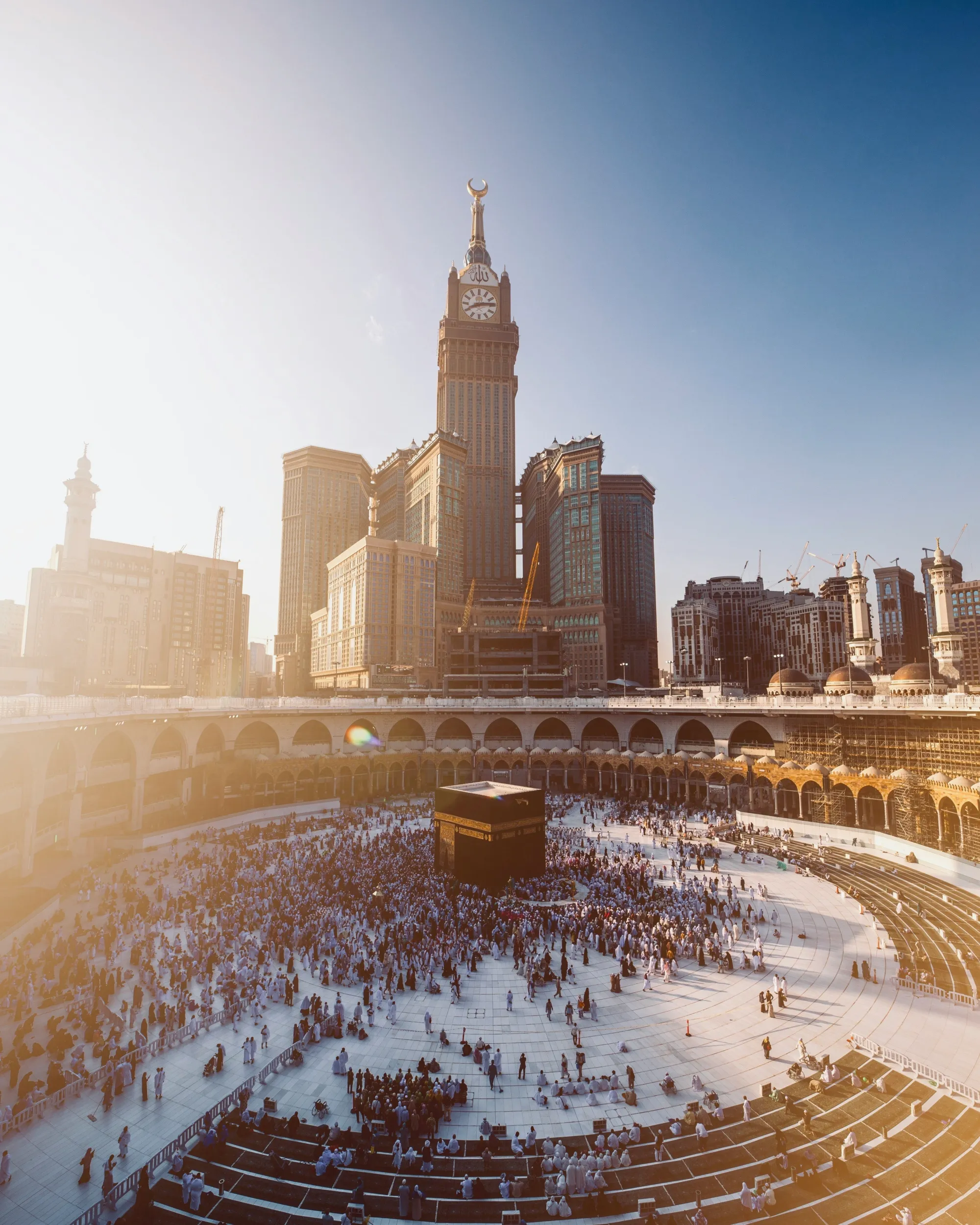
| Period (2026) | Weather in Makkah | Crowds | Prices | Best for |
|---|---|---|---|---|
| Dec–Feb (winter) | Mild, ~18–28°C, pleasant | Moderate–busy | $$$ | Best weather, families, elderly |
| Ramadan (~Feb–Mar) | Mild, warming | Extreme (peak) | $$$$ | Maximum reward, experience seekers |
| Mar–Apr (spring) | Warm, ~28–35°C | Moderate | $$$ | Balanced weather and crowds |
| Around Hajj (~May) | Hot, ~38–43°C | Umrah paused | — | Not available for Umrah |
| Jun–Sep (summer) | Very hot, 40–45°C+ | Light | $ | Lowest cost, fewest crowds |
| Oct–Nov (autumn) | Cooling, comfortable | Light–moderate | $$ | Value plus decent weather |
Prices are relative and swing with school holidays and demand; a quiet-month rate can still spike around a long weekend.
The best time for the greatest reward: Ramadan
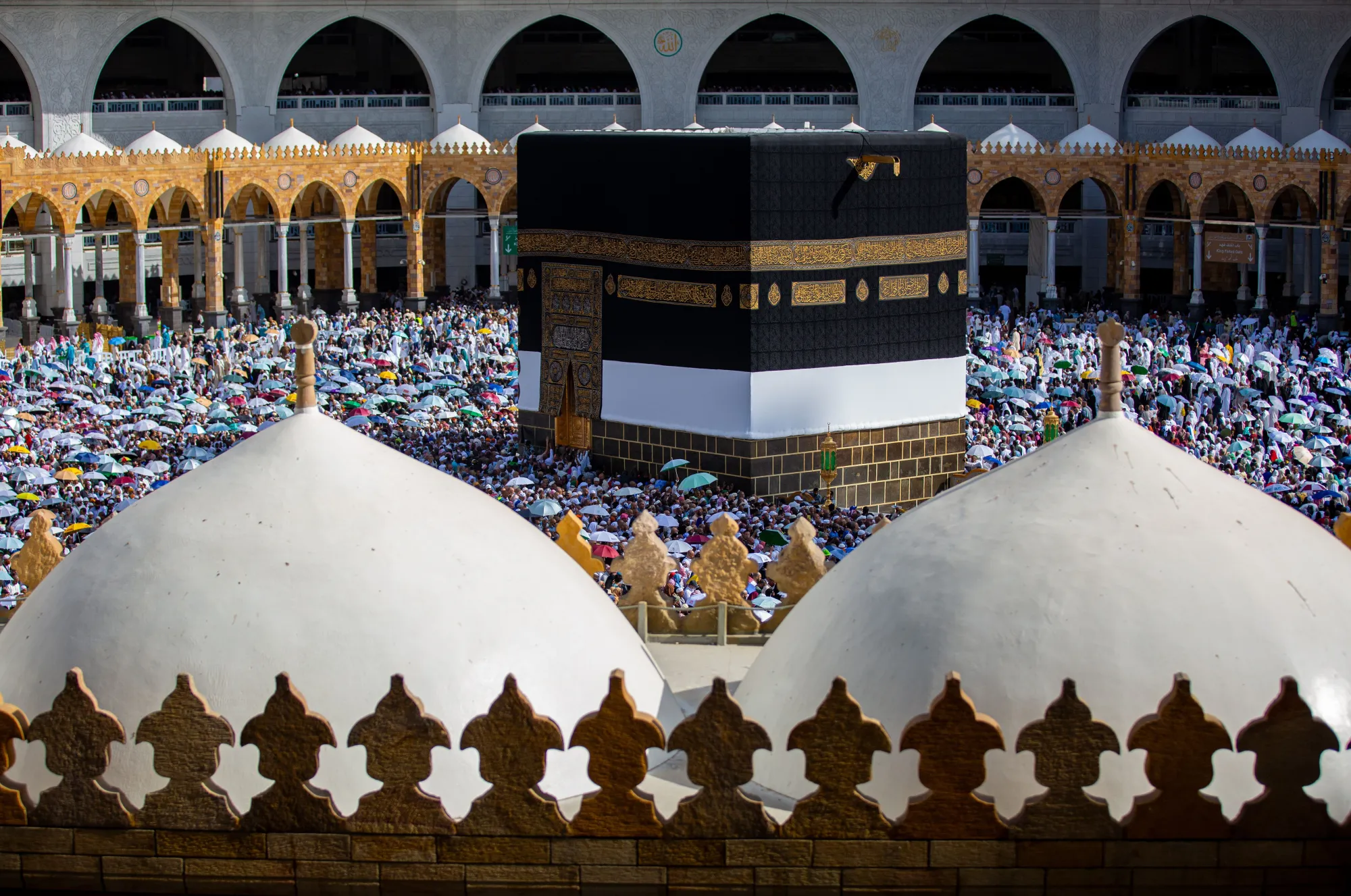
If your priority is spiritual reward above all, nothing matches Ramadan. The Prophet ﷺ said that performing Umrah in Ramadan is equal in reward to a Hajj. Praying and fasting in Makkah, breaking your fast within sight of the Kaaba, and the atmosphere of the holy mosque at night are experiences pilgrims remember for life.
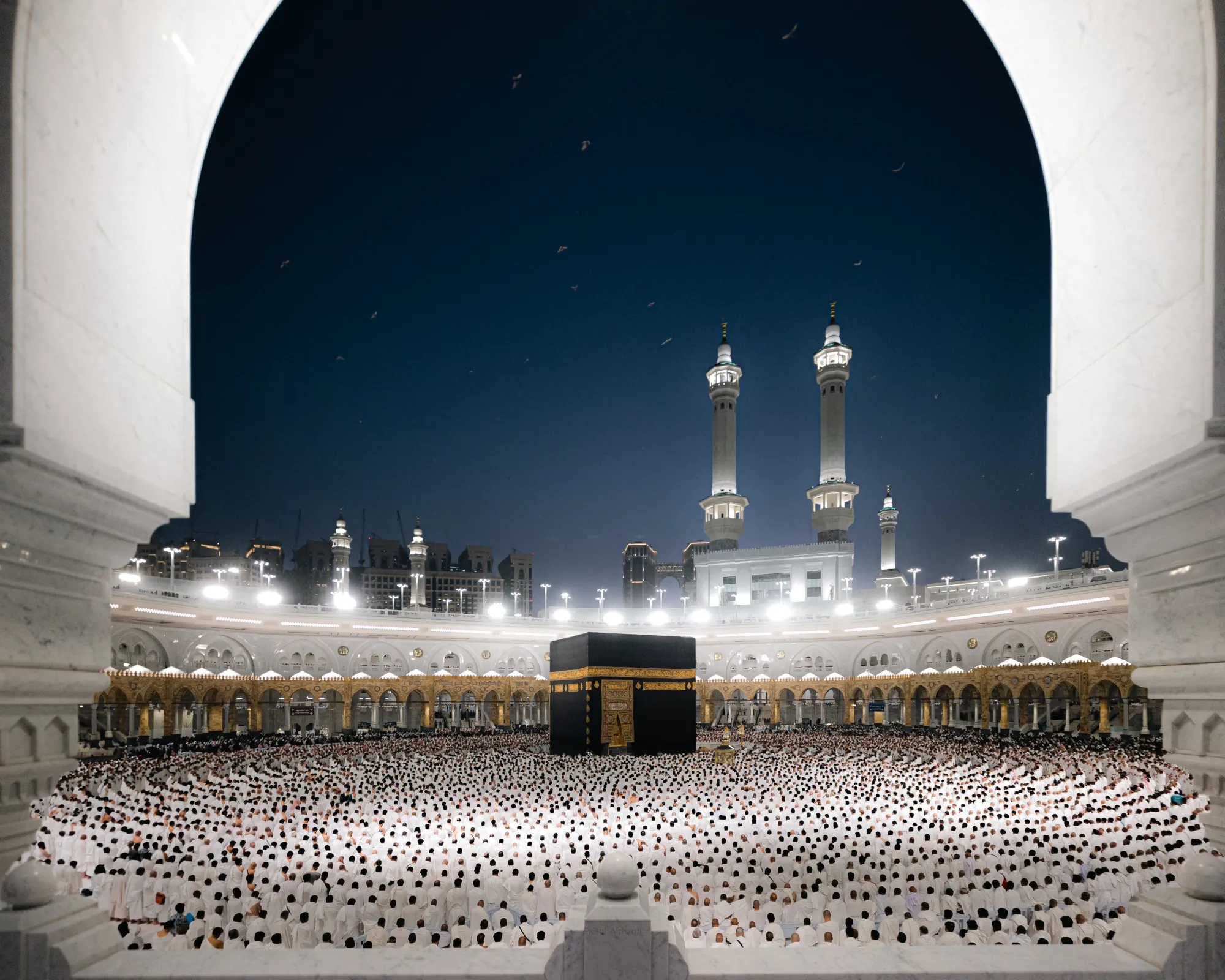
The trade-off is intensity. Ramadan — and especially the last ten nights — is the single busiest, most expensive time of the year. Hotels near the Haram sell out months ahead and prices can roughly double or more. The mosque fills to capacity and gates close when full, particularly around Maghrib and for the night prayers. If you go in Ramadan, book very early, stay as close to the Haram as your budget allows, and brace for crowds. Our guide to the best areas to stay in Makkah for Umrah is essential reading for this season.
The best time for weather: November to February
For most travellers — especially families, older pilgrims, and anyone who finds heat draining — the cool winter months are the best overall time for Umrah. Daytime temperatures in Makkah sit in the comfortable high teens to high twenties Celsius, which makes a huge difference when you're walking to the Haram many times a day and standing for long prayers.
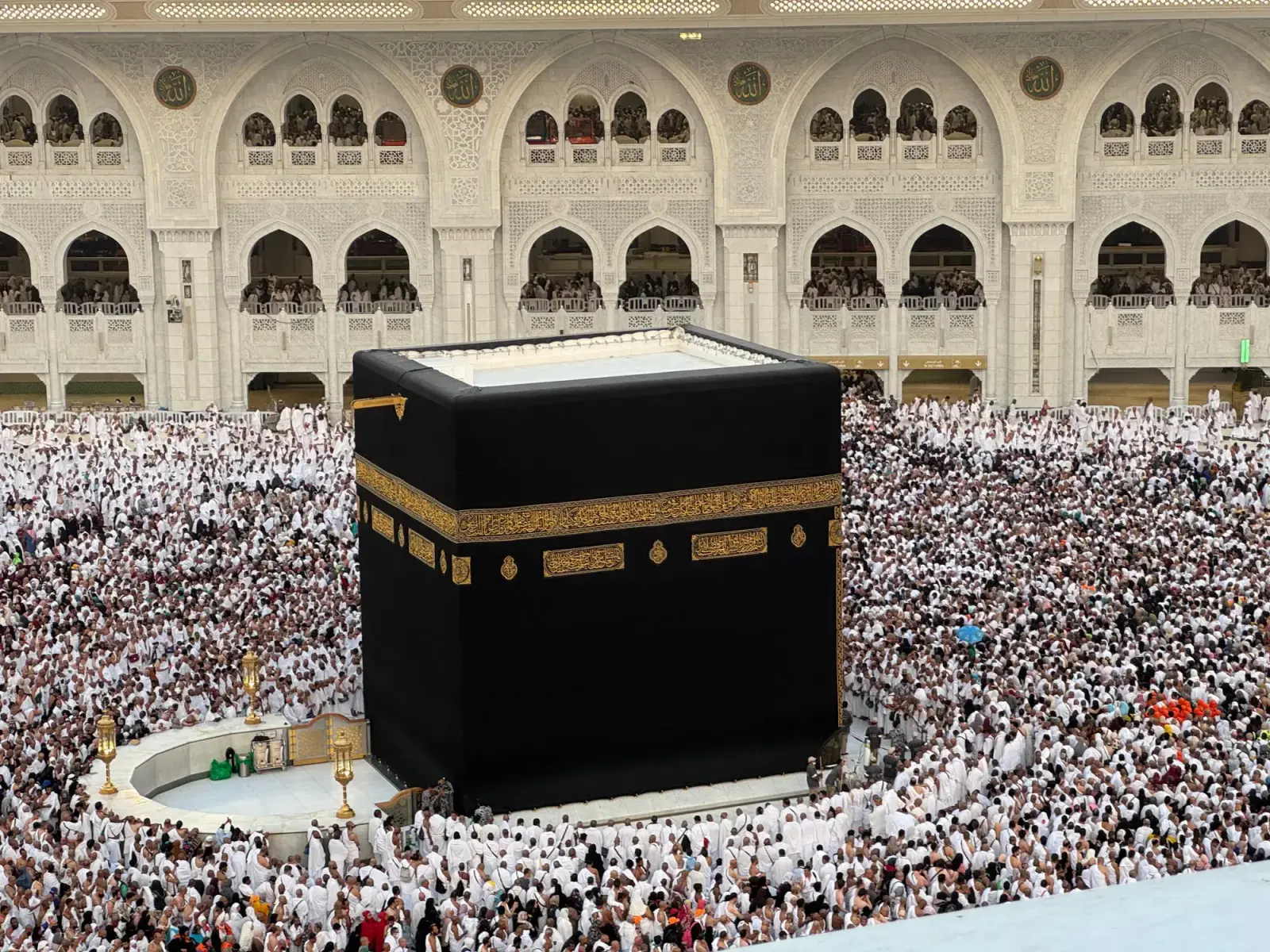
The catch is that good weather draws people: winter is popular, so crowds are moderate-to-busy and prices sit in the upper-middle range. It's the classic comfortable choice — pleasant conditions, manageable (not empty) mosques, mid-to-high prices. Booking a couple of months ahead secures better rates.
The cheapest time and the fewest crowds: summer and the quiet windows
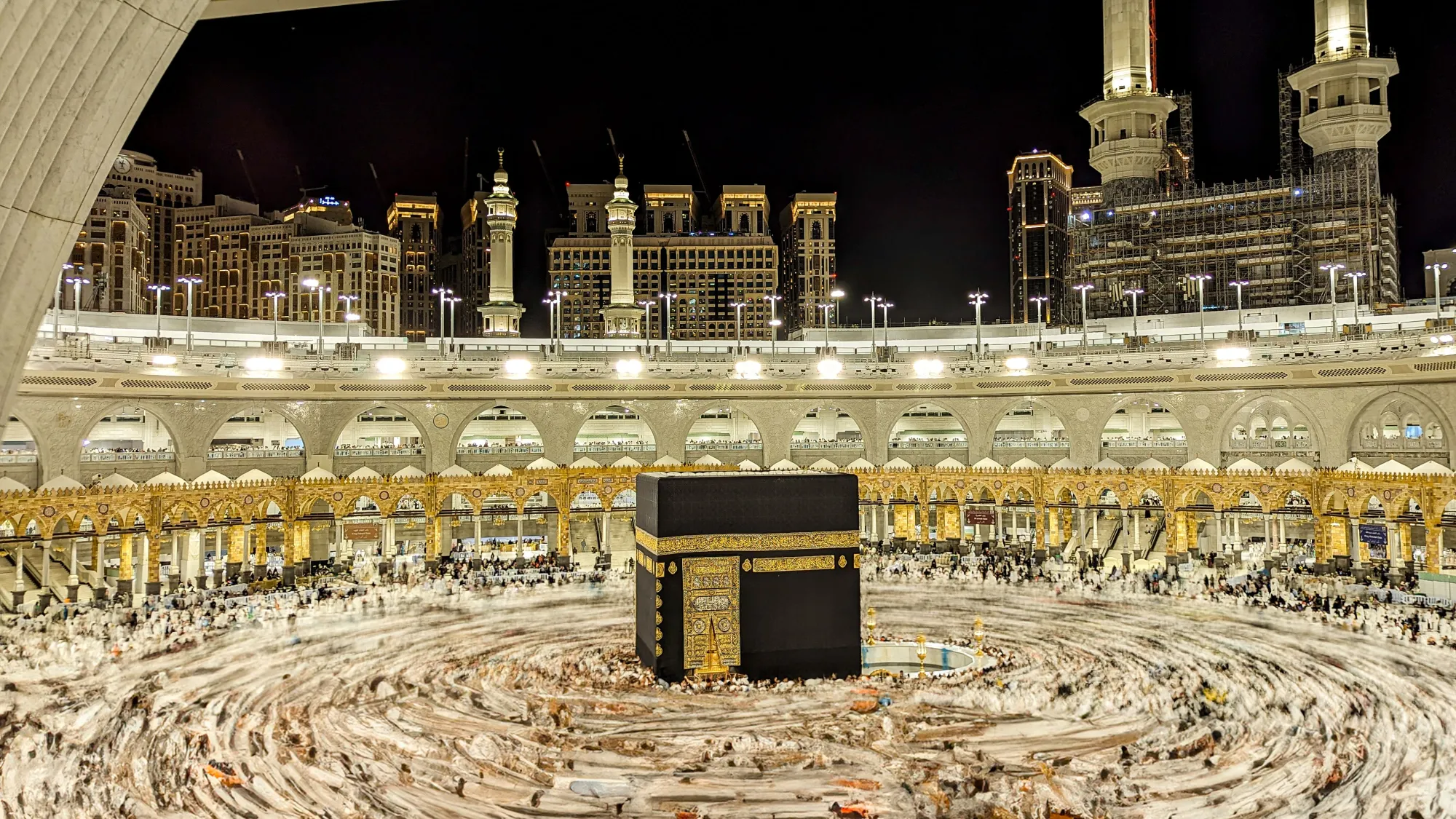
If budget and breathing room matter most, look at the hot summer months (roughly June to early September). This is when prices fall the furthest and the mosque is at its calmest — you can often pray close to the Kaaba and complete a relaxed tawaf and sa'i without the crush. The price is the heat: 40–45°C and higher, which is genuinely demanding on an exposed plaza. Go early in the morning and after sunset, stay hydrated, and a summer Umrah can be both affordable and serene.
There are also two quieter, cheaper shoulder windows worth knowing:
- Just after Ramadan (from around Shawwal), once the Ramadan rush clears, the city calms quickly while the weather is still reasonable.
- Just after Hajj, once the Hajj season ends and Umrah reopens, there's often a noticeable lull before crowds rebuild.
These windows can offer some of the best balance of price and peace in the whole year.
Times to avoid (or plan around)
- The last ten nights of Ramadan if you dislike crowds — they are the most intense in Makkah.
- The Hajj window entirely for Umrah — it isn't available; if your dates land here, plan for just before or after.
- Major school holidays in large pilgrim-sending countries, which create demand spikes (and price spikes) even outside Ramadan.
- Peak midday heat in summer — not a reason to avoid the season, just to schedule your rites for cooler hours.
| Quick recap | Best month to go depends on your priority |
|---|---|
| Greatest reward | Ramadan (most crowded, most expensive) |
| Best weather | November–February |
| Lowest price | Summer (hot) + post-Ramadan / post-Hajj lulls |
| Fewest crowds | Summer and the shoulder windows |
| Avoid for Umrah | The Hajj period (Umrah paused) |
Planning around your chosen time
Once you've picked a window, the rest of the planning falls into place:
- Book hotels early for any peak period. The closer to the Haram and the busier the season, the sooner rooms vanish — see the best areas to stay in Makkah and the best areas to stay in Madinah.
- Confirm permits and the Umrah pause in Nusuk. Especially if your dates are near Hajj — our Nusuk app guide walks through booking.
- Sort arrival transport. See Jeddah Airport to Makkah and travel between Makkah and Madinah.
- Pack for the season. Summer and winter call for very different kits — our Umrah packing list covers both.
- Stay connected from landing with a Saudi eSIM, so Nusuk, maps and ride apps work the moment you arrive.
Frequently Asked Questions
What is the best time to perform Umrah?
It depends on your priority. For the best weather, travel from November to February. For the greatest reward, go in Ramadan, though it is the most crowded and expensive. For the lowest cost and smallest crowds, the hot summer months and the quiet windows just after Ramadan and after Hajj are best.
Can you perform Umrah at any time of year?
Almost. Umrah can be performed in any month, unlike Hajj which has fixed dates. The main exception is a period around Hajj when Umrah is paused for non-pilgrims — confirm the current dates in the Nusuk app.
When is the cheapest time to go for Umrah?
The hot summer months (roughly June to early September) generally have the lowest hotel prices and the smallest crowds. The windows just after Ramadan and just after the Hajj season are also quieter and more affordable than peak times.
Is it better to do Umrah in Ramadan?
Umrah in Ramadan carries immense reward — the Prophet ﷺ said it equals a Hajj in reward — but it is the busiest and most expensive time of the year, with hotels selling out months ahead. It is ideal for the spiritual experience, less so for comfort or budget.
What is the weather like in Makkah for Umrah?
Makkah is hot for much of the year. Summer (June–September) regularly exceeds 40°C, while the winter months (November–February) are mild and pleasant, in the high teens to high twenties Celsius — the most comfortable time for the walking and standing Umrah involves.
Can I perform Umrah during Hajj?
No. In the weeks around Hajj, Umrah is suspended for non-pilgrims while the holy sites focus on Hajj. Plan your Umrah for before or after that window, and confirm the exact dates in Nusuk.
How far in advance should I book Umrah?
For Ramadan and other peak periods, book hotels several months ahead, as the closest properties sell out and prices rise sharply. For quieter months, a few weeks is usually enough, but earlier booking still gets better rates and choice.
The Bottom Line
There is no single best time to perform Umrah — there's the best time for you. Chase the reward and you'll go in Ramadan and accept the crowds. Want comfort and you'll travel in the cool of winter. Watch your budget and you'll brave the summer heat or slip into a post-Ramadan lull. Decide which of those three — reward, comfort, or cost — matters most, check the Nusuk dates around Hajj, book your hotel early, and the calendar stops being a worry and becomes part of the plan.
Last updated: June 2026. Weather, prices and crowd levels are approximate and vary year to year. Ramadan, Hajj, and the Umrah pause depend on the Islamic calendar and official announcements — always confirm current dates via Nusuk and Saudi authorities before booking.