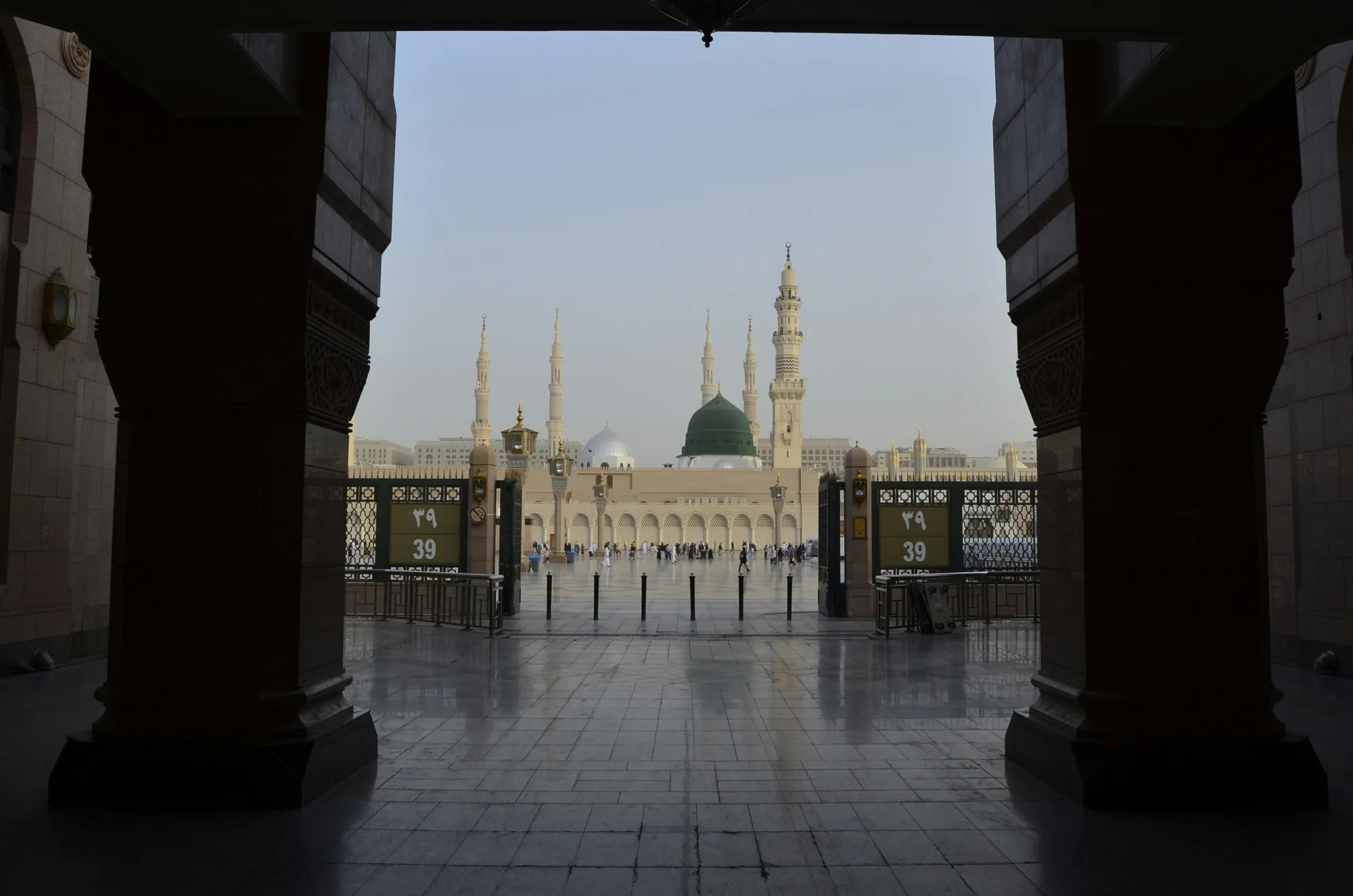
The best things to do in Madinah — from Al-Masjid an-Nabawi and the Rawdah to Quba, Uhud and Qiblatain, plus dates markets, dining and where to stay. A pilgrim's guide.
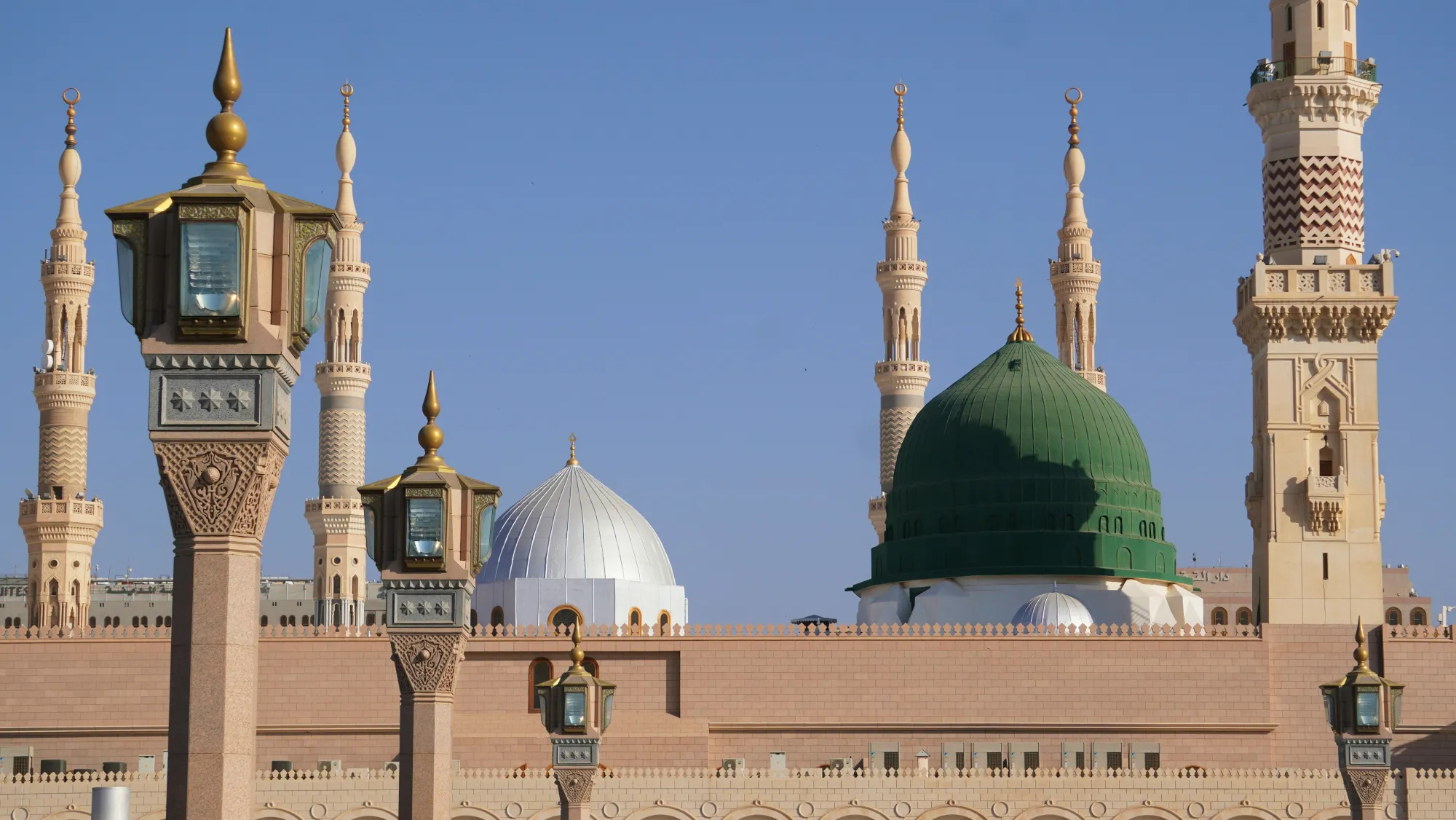
Madinah is a city you feel before you understand. After the intensity of Makkah, the second holiest city in Islam greets pilgrims with a calmer, gentler air — wide shaded plazas, the scent of dates and oud, and a skyline crowned by the Green Dome of the Prophet's Mosque. Most visitors come for the worship, but the city rewards anyone who lingers: historic mosques, the battlefield of Uhud, bustling dates markets, and quiet corners full of meaning.
This guide rounds up the best things to do in Madinah — the essential ziyarat sites first, then the practical pleasures of the city — so you can plan a trip that is spiritually rich and easy to navigate.
Quick answer: The top things to do in Madinah are praying at Al-Masjid an-Nabawi and visiting the Rawdah and the Prophet's ﷺ resting place; the historic mosques of Quba (the first mosque in Islam) and al-Qiblatain; the battlefield and martyrs of Mount Uhud; the Quba date farms and markets; and the modern museums and exhibitions around the Haram. Base yourself within walking distance of Al-Masjid an-Nabawi and most of the city's worship sites are a short, easy trip away.
1. Pray at Al-Masjid an-Nabawi (The Prophet's Mosque)
Everything in Madinah begins here. Al-Masjid an-Nabawi — the Prophet's Mosque — is the second mosque built in Islam and the resting place of the Prophet Muhammad ﷺ. The Prophet ﷺ said that one prayer in his mosque is better than a thousand prayers anywhere else, except Al-Masjid al-Haram in Makkah. Simply praying your five daily prayers here, in the vast marble courtyards under the famous retractable umbrellas, is the single most important thing you will do in the city.
Give yourself time. Arrive early before each prayer, find a calm spot, and let the rhythm of the mosque shape your days.
2. Visit the Rawdah (Riyad al-Jannah)
Within the mosque lies the Rawdah, the area between the Prophet's ﷺ pulpit and his chamber, which he described as "a garden from the gardens of Paradise." Marked today by its distinctive green carpet, it is one of the most spiritually charged places a Muslim can stand.
Access is now managed through the free Nusuk app, which issues timed permits to control the crowds. Book your slot in advance, dress and arrive early, and treat the visit with patience — it is busy, and the staff move people through steadily. Learn how the booking works in our guide to the Nusuk app, Umrah permits and the Rawdah.
3. Send Salam at the Prophet's ﷺ Resting Place
Adjacent to the Rawdah is the chamber holding the resting place of the Prophet Muhammad ﷺ and his two companions, Abu Bakr and Umar (may Allah be pleased with them). Visitors pass by to send salam upon the Prophet ﷺ and his companions — a brief, dignified moment that for many is the emotional centre of the entire journey. Keep moving with the flow of people, send your greetings quietly, and avoid the practices the scholars caution against, such as raising the voice or seeking anything from other than Allah.
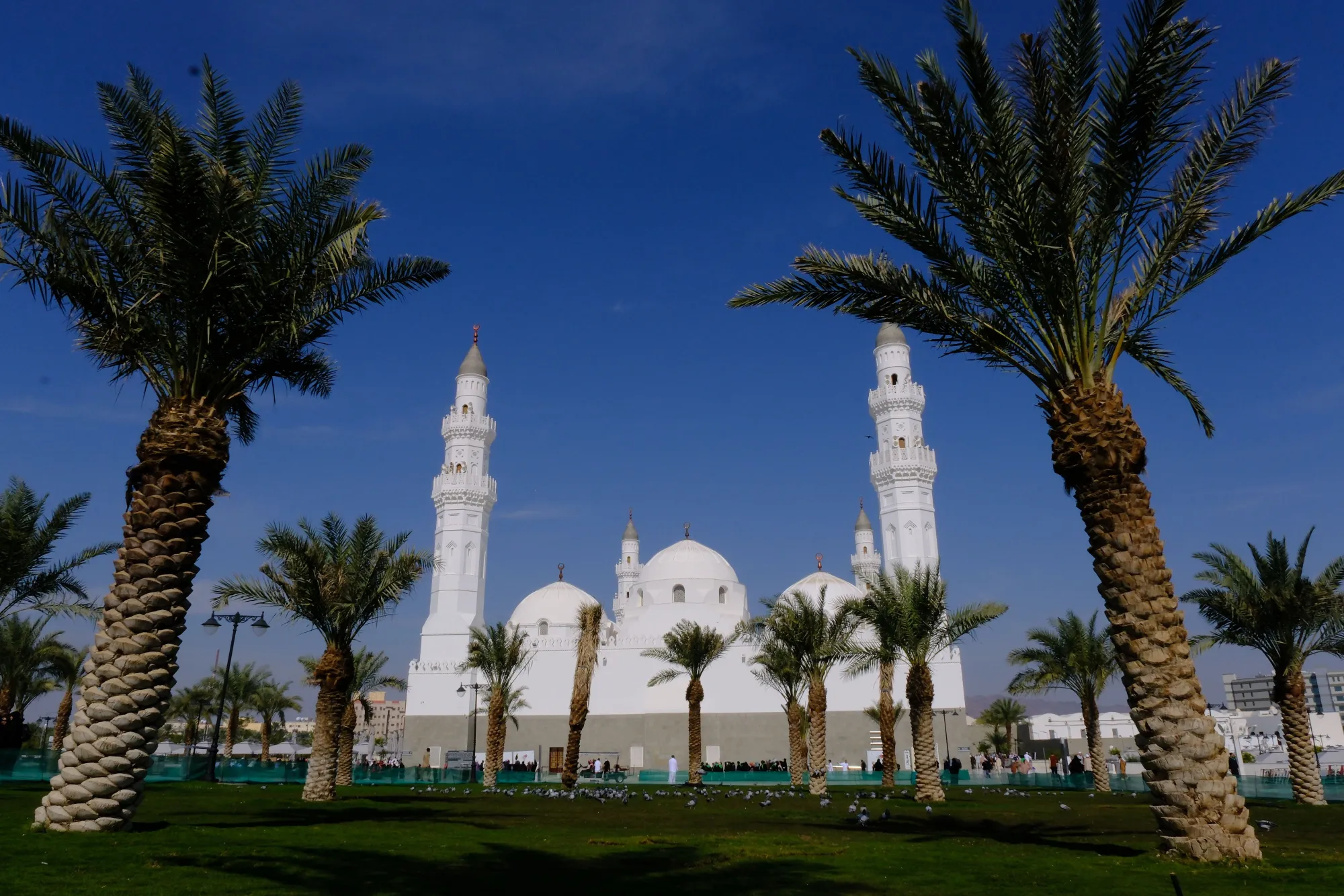
4. Pray at Masjid Quba — the First Mosque in Islam
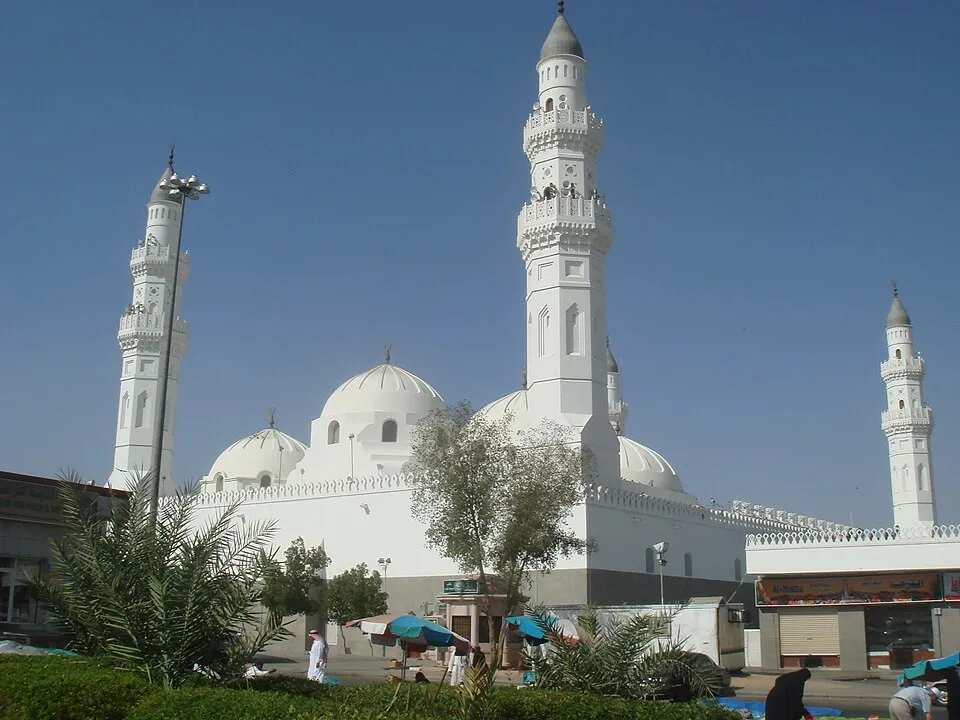
About 5 km south of the Haram stands Masjid Quba, the very first mosque built in Islam, founded by the Prophet ﷺ as he arrived during the Hijrah. There is a beautiful reward attached to it: an authentic narration states that whoever makes wudu at home, then comes and prays at Quba, earns the reward of an Umrah. Make your ablution before you set out and go with the intention to pray two rak'ahs. Full history, the Qur'anic reference and visiting tips are in our dedicated Quba Mosque guide.
5. Stand at Mount Uhud
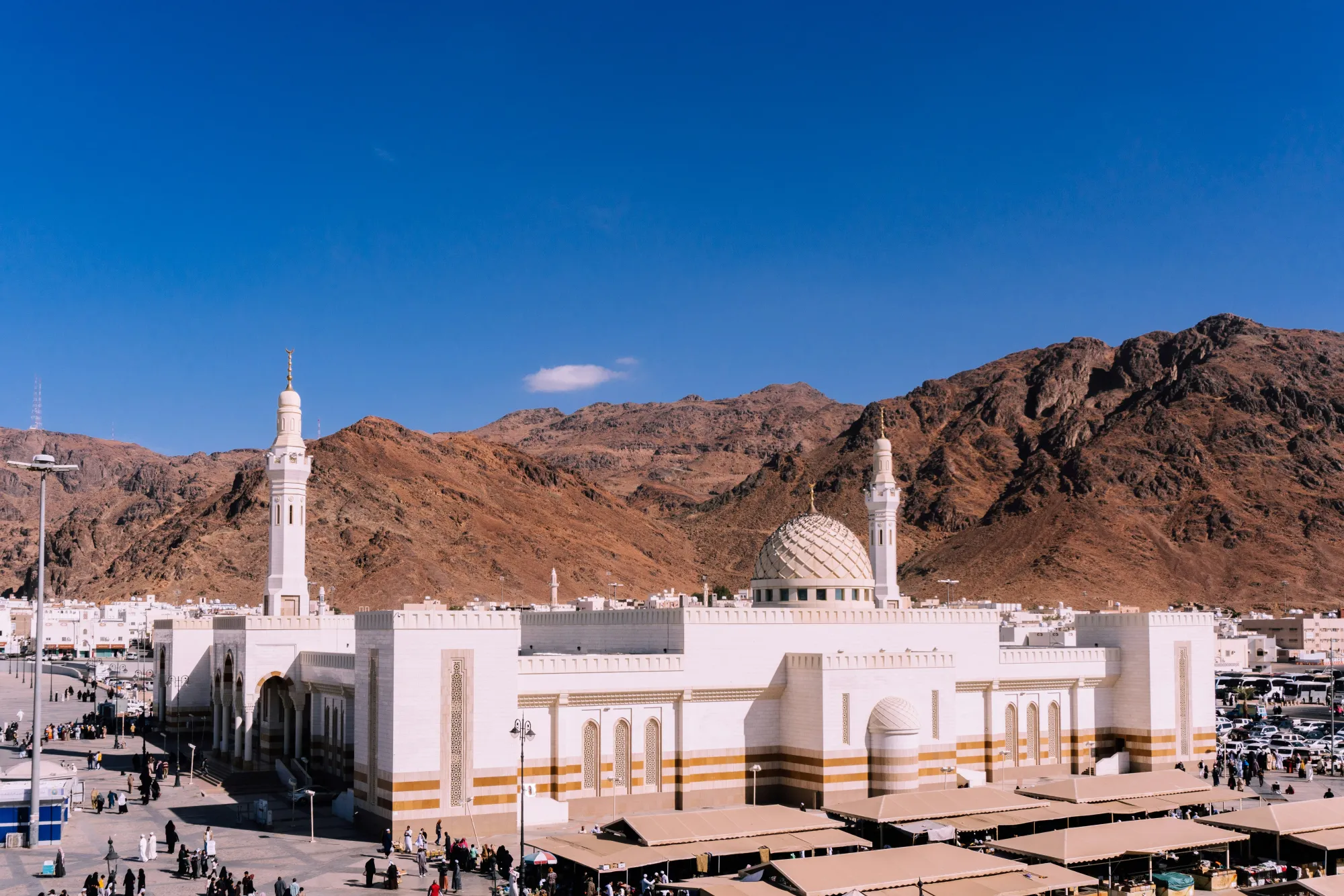
To the north of the city rises Mount Uhud, the site of the second great battle in Islam and the resting place of its martyrs, including the Prophet's ﷺ beloved uncle Hamzah (may Allah be pleased with him). The Prophet ﷺ said of this mountain, "Uhud is a mountain that loves us and we love it." Visitors come to reflect on the events of the battle, visit the martyrs' cemetery, and take in the rugged landscape. Read the full story before you go in our history of Mount Uhud.
6. Visit Masjid al-Qiblatain (The Mosque of the Two Qiblas)
Masjid al-Qiblatain marks the spot where, mid-prayer, the command came to turn the direction of prayer (qibla) away from Jerusalem and toward the Ka'bah in Makkah. The congregation pivoted in place — and the mosque has carried the name "of the two qiblas" ever since. It is a short, meaningful stop that pairs naturally with a wider ziyarat tour. See our Masjid al-Qiblatain guide for the background.
7. Tour the Seven Mosques (Sab'u Masajid) and the Trench
Near the western edge of the city is the area associated with the Battle of the Trench (al-Khandaq), where a cluster of small historic mosques — traditionally called the Seven Mosques — commemorates the companions' positions during the siege. The site has been redeveloped in recent years into a landscaped complex with a large new mosque. It's an easy, informative stop for those interested in the seerah.
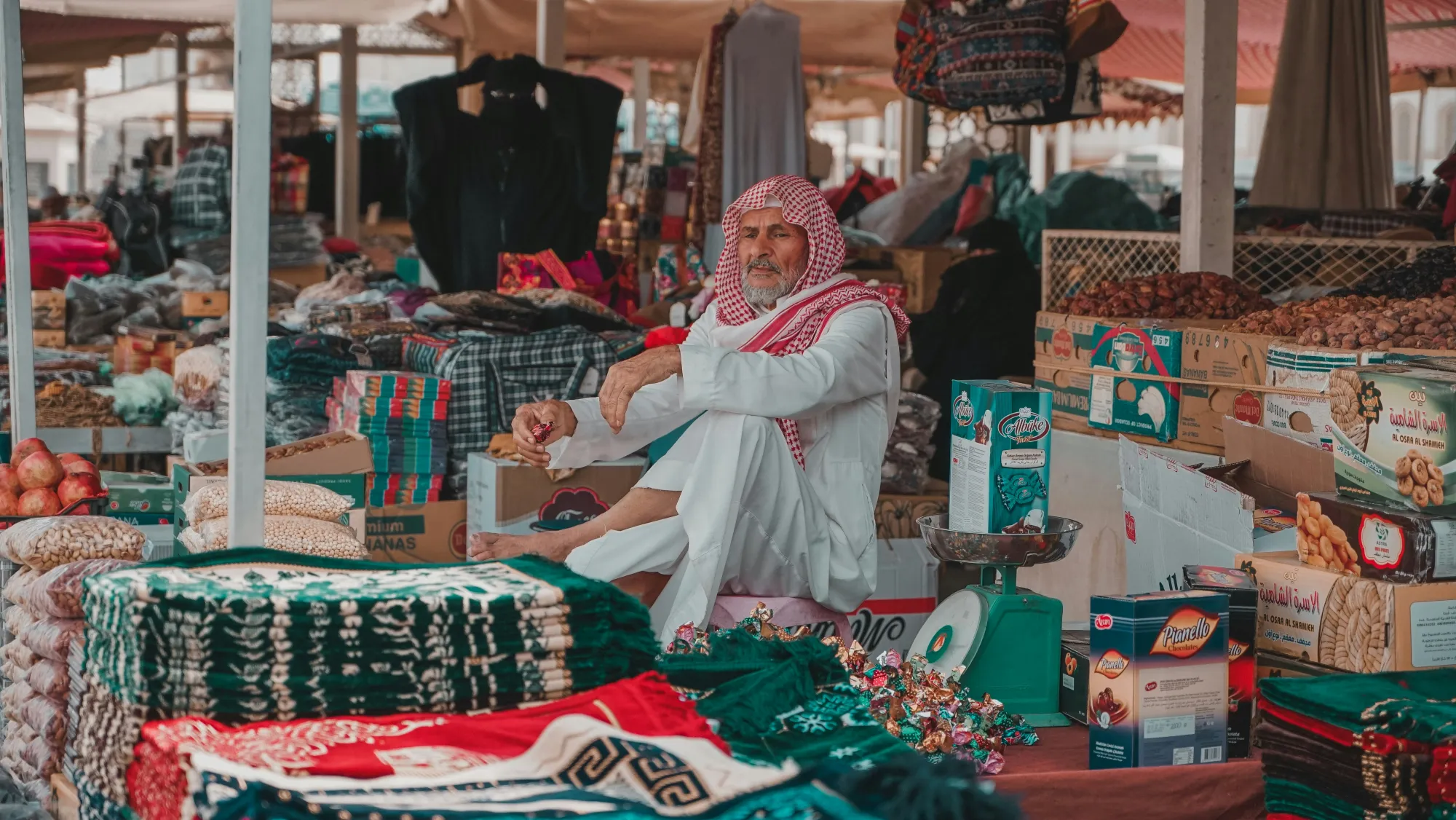
8. Buy Dates and Visit the Date Markets
Madinah is famous for its dates, above all the prized Ajwa — a small, dark variety the Prophet ﷺ praised. The Dates Market near the Haram and the farms and outlets along the road to Quba are the place to taste and stock up. Vendors offer dozens of varieties (Ajwa, Sukkari, Mabroom, Safawi) plus dates stuffed with nuts, date paste, and honey. It's both a genuine cultural experience and the best souvenir you can bring home.
9. Explore the Museums and Exhibitions
Modern Madinah has invested in well-presented attractions for visitors:
- The Exhibition of the Prophet's Biography and Islamic Civilization (Dar al-Madinah) and the official seerah exhibitions near the Haram use models, artefacts and multimedia to tell the story of the Prophet's ﷺ life and the early city.
- The Hijaz Railway Museum preserves the historic Ottoman station and locomotives of the old Damascus–Madinah line.
- The Quran exhibition (Exhibition of the Holy Quran) showcases the history of the Qur'an's preservation.
These are ideal for travelling with family and for understanding the history behind the sites you visit.
10. Stroll and Rest in the Haram Plazas
One of the simplest pleasures in Madinah is the city centre itself. The enormous marble plazas around Al-Masjid an-Nabawi are made for walking, sitting and people-watching, especially in the cooler hours after Fajr and after Isha. The giant column-mounted umbrellas open by day for shade and close at night. Bring a small group, share a coffee or dates, and absorb the unhurried atmosphere that makes Madinah feel so different from Makkah.
11. Eat Well: Madinah's Food Scene
Beyond the worship, Madinah eats well. You'll find:
- Local Saudi and Hejazi dishes — mandi and kabsa (spiced rice with lamb or chicken), traditional breakfasts of ful and tameez bread.
- A huge range of international food around the Haram — Turkish, Egyptian, Indian, Indonesian and more, catering to pilgrims from everywhere.
- Qubba/qahwa culture — Saudi coffee with cardamom served alongside dates is a ritual worth adopting.
The streets radiating out from the Haram are packed with restaurants at every price point.
12. Shop the Malls and Souqs
For shopping, Madinah blends traditional and modern:
- Large air-conditioned malls such as those near the Haram and on the city's outskirts (Al Noor Mall, Al Rashid Mega Mall) offer brands, food courts and a cool escape from the midday heat.
- The traditional souqs and the Bin Dawood and Dates Market areas are best for prayer items, gifts, perfumes (oud and attar), prayer mats, and of course dates.
A Suggested Madinah Itinerary
If you have two to three days beyond your prayers at the Haram, this rhythm works well:
| Day | Morning | Afternoon / Evening |
|---|---|---|
| Day 1 | Settle in; prayers at Al-Masjid an-Nabawi; book your Rawdah slot on Nusuk | Plazas, dates market, dinner near the Haram |
| Day 2 | Ziyarat tour: Quba → Qiblatain → Seven Mosques (Trench) | Rawdah visit (your booked slot); museums |
| Day 3 | Mount Uhud and the martyrs' cemetery | Shopping, souvenirs, final prayers |
Keep prayers at Al-Masjid an-Nabawi as the anchor of every day, and fit the ziyarat around them.
Practical Tips for Visiting Madinah
- Stay close to the Haram. Walking distance to Al-Masjid an-Nabawi shapes your whole trip. Our guide to the best areas to stay in Madinah near Al-Masjid an-Nabawi breaks down the neighbourhoods and walking times.
- Book the Rawdah early. Permits go through the Nusuk app and slots fill fast in peak seasons.
- Use taxis or apps for ziyarat. Quba, Uhud and Qiblatain are spread across the city; a half-day taxi hire or ride-hailing app covers them efficiently. Keep your phone connected with a Saudi eSIM.
- Dress modestly and respect mosque etiquette everywhere, and keep your worship focused on Allah alone at every site.
- Arriving from Makkah? See how to travel between Makkah and Madinah. Flying into Jeddah first? Read our Jeddah airport to Makkah guide.
Explore more in our Madinah travel hub.
Frequently Asked Questions
What are the best things to do in Madinah?
The essentials are praying at Al-Masjid an-Nabawi, visiting the Rawdah and the Prophet's ﷺ resting place, and the historic sites of Quba Mosque, Mount Uhud and Masjid al-Qiblatain. Beyond ziyarat, visit the dates markets, the seerah and Qur'an exhibitions, and enjoy the calm plazas and food around the Haram.
How many days do you need in Madinah?
Most pilgrims spend two to four days in Madinah. Two to three full days is enough to pray regularly at Al-Masjid an-Nabawi, complete the main ziyarat sites, visit the markets and museums, and still have an unhurried trip.
Is the Rawdah free to visit?
Yes. Visiting the Rawdah is free, but it requires a timed permit booked through the official Nusuk app to manage crowds. There is no charge for the permit itself.
What is Madinah famous for?
Madinah is famous as the city of the Prophet Muhammad ﷺ and the home of Al-Masjid an-Nabawi, as well as for its Ajwa dates, the first mosque in Islam (Masjid Quba), and historic sites like Mount Uhud.
What is the best time to visit Madinah?
The cooler months from roughly November to March are most comfortable. Outside the Hajj season and the last ten days of Ramadan, the city is also less crowded, making ziyarat and Rawdah access easier.
Can non-Muslims visit Madinah?
The central area around Al-Masjid an-Nabawi (the Haram boundary) is restricted to Muslims. Non-Muslims can visit other parts of the wider Madinah region but not the central sanctuary.
The Bottom Line
Madinah asks you to slow down. The greatest thing to do here is simply to pray at Al-Masjid an-Nabawi and drink in the peace of the Prophet's ﷺ city — and around that anchor, a handful of meaningful ziyarat sites, a famous dates market, and a warm, walkable city centre fill out an unforgettable visit. Stay close to the Haram, book your Rawdah slot early, and let the rest unfold gently.
Last updated: June 2026. This article is informational; for matters of personal religious practice, consult a qualified scholar.