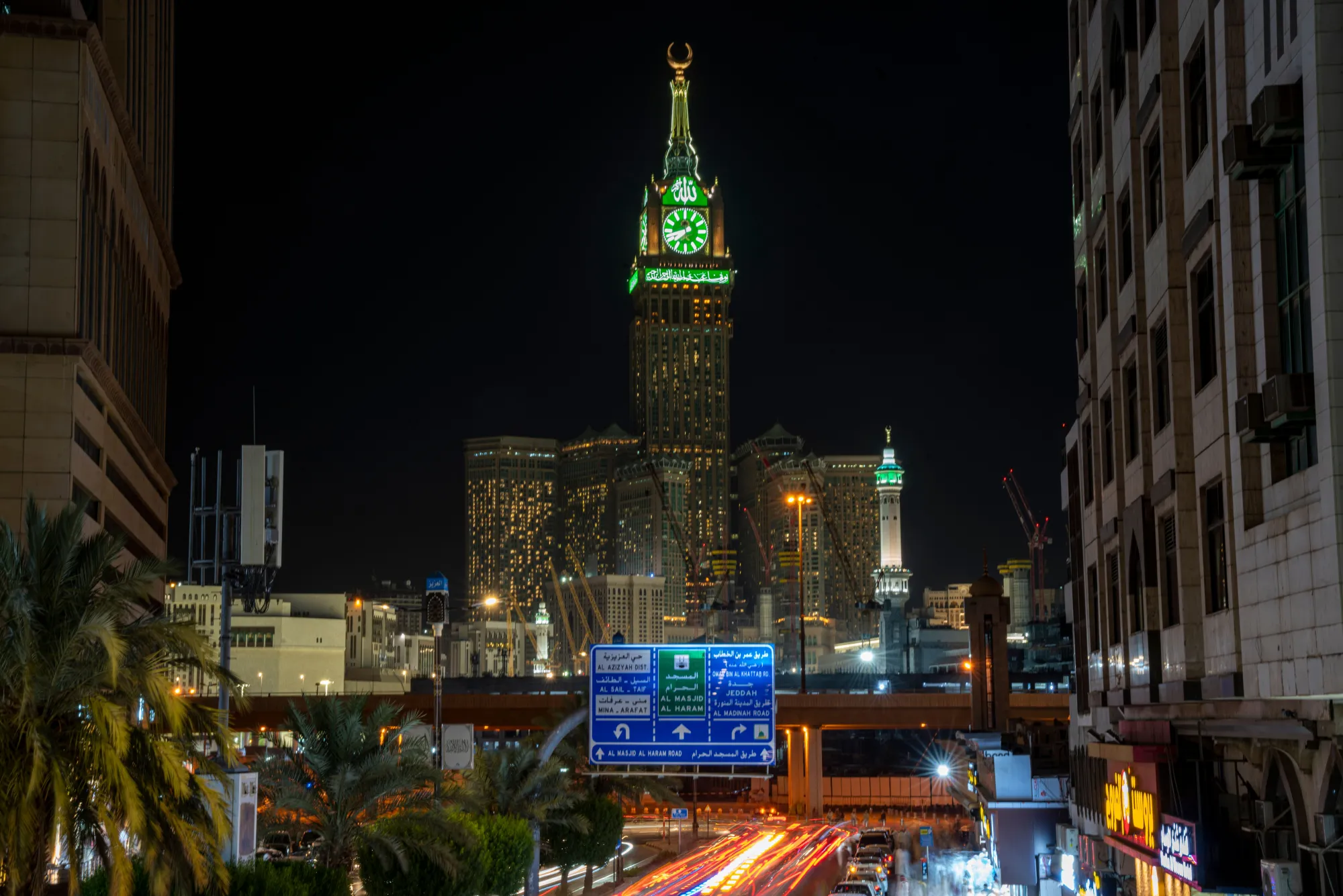
The best things to do in Makkah — from Tawaf at the Ka'bah and the Grand Mosque to Jabal al-Noor, the Cave of Thawr, Arafah, museums, dining and shopping. A pilgrim's guide.
Makkah is the holiest city in Islam and the destination of every Muslim's heart. For pilgrims arriving for Umrah or Hajj, the central act is worship — Tawaf around the Ka'bah, prayer in the Grand Mosque, and the rites of pilgrimage. But the city and its surrounding mountains also hold the places where revelation began and the early story of Islam unfolded, alongside a modern metropolis of museums, malls and food.
This guide rounds up the best things to do in Makkah — the essential acts of worship and ziyarat first, then the practical experiences of the city — to help you plan a trip that is spiritually complete and easy to navigate.
Quick answer: The most important things to do in Makkah are performing Umrah and Tawaf at the Ka'bah, praying in Al-Masjid al-Haram, and drinking Zamzam water. Beyond the Haram, visit Jabal al-Noor (Cave of Hira) where revelation began, the Cave of Thawr of the Hijrah, the plains of Arafah, Mina and Muzdalifah, and the city's museums, markets and malls. Stay within walking distance of the Haram to make the most of every prayer.
1. Perform Umrah and Tawaf at the Ka'bah
The reason most people come to Makkah is to perform Umrah — entering in ihram, making Tawaf (seven circuits around the Ka'bah), praying behind Maqam Ibrahim, and completing Sa'i between the hills of Safa and Marwah. Standing before the Ka'bah for the first time is, for most pilgrims, the most powerful moment of their lives. If it's your first journey, prepare with our step-by-step Umrah guide for first-timers.
2. Pray in Al-Masjid al-Haram (The Grand Mosque)
A single prayer in Al-Masjid al-Haram is worth a hundred thousand prayers elsewhere, according to the words of the Prophet ﷺ. Beyond your Umrah, simply praying the five daily prayers in the Grand Mosque — in sight of the Ka'bah, amid pilgrims from every corner of the earth — is the central thing to do in Makkah. The mosque is vast and constantly expanding; arrive early before each prayer to find a place close to the courtyard.
3. Drink Zamzam Water
The well of Zamzam, which sprang forth for Hajar and her infant son Isma'il, still flows beneath the Grand Mosque. Drinking Zamzam is part of the experience of Makkah — the Prophet ﷺ said "the water of Zamzam is for whatever it is drunk for." Coolers are positioned throughout the mosque; drink your fill, make du'a, and many pilgrims take home a permitted allowance of Zamzam in sealed containers.
4. Visit Jabal al-Noor and the Cave of Hira
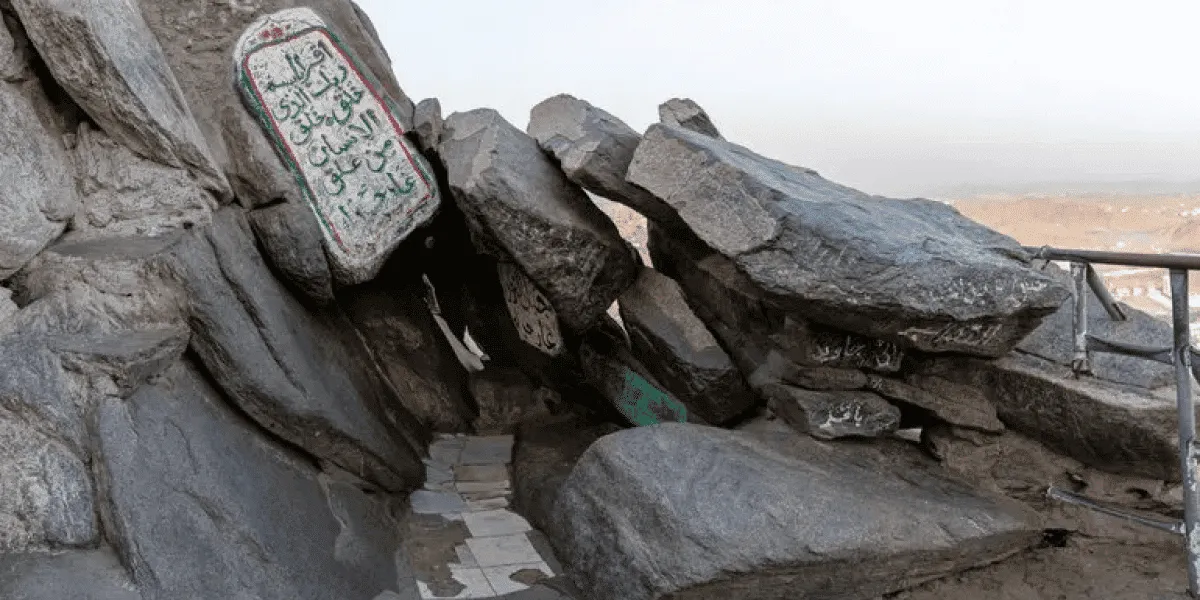
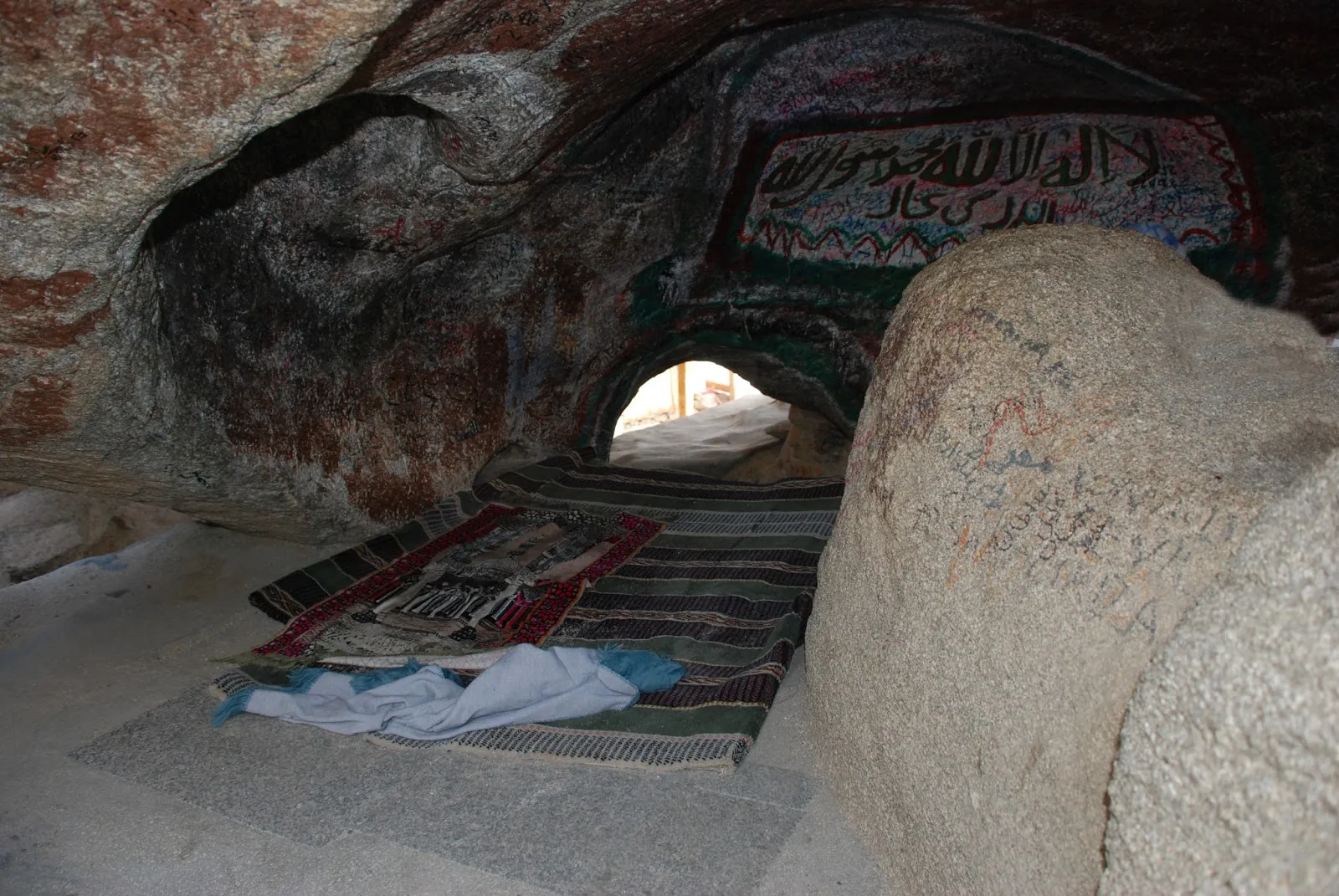
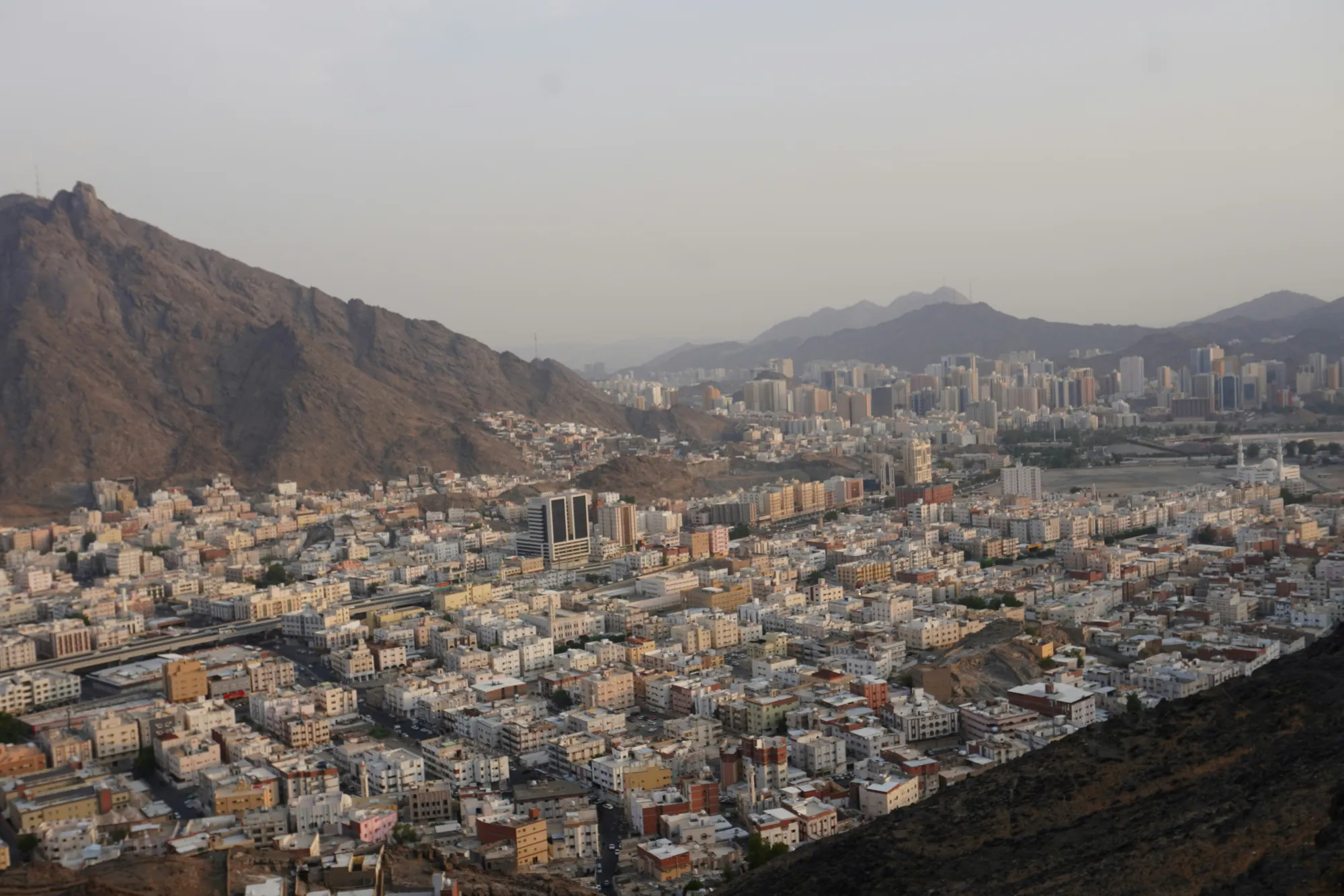
Rising on the edge of Makkah is Jabal al-Noor, the "Mountain of Light," home to the Cave of Hira where the Prophet Muhammad ﷺ received the first revelation of the Qur'an. The climb is steep and strenuous — around an hour to the top — and is entirely optional; it is not part of Umrah or Hajj. For those who make it, the view over Makkah and the history of the spot are unforgettable. Read what to expect, and the etiquette to keep in mind, in our Cave of Hira and Jabal al-Noor guide.
5. See the Cave of Thawr
To the south of Makkah is Jabal Thawr and the Cave of Thawr, where the Prophet ﷺ and Abu Bakr (may Allah be pleased with him) sheltered for three nights during the Hijrah to Madinah — the episode of the spider's web and the dove's nest that protected them. The climb here is even longer and harder than Hira and, again, is optional. Many visitors simply view the mountain and reflect on its story. Full background is in our Cave of Thawr and the Hijrah guide.
6. Visit the Holy Sites: Arafah, Mina and Muzdalifah
East of Makkah lie the plains central to the Hajj: Arafah, where pilgrims gather on the most important day of the pilgrimage; Muzdalifah, where they spend the night under the open sky; and Mina, the "city of tents" and the site of the stoning of the pillars. Outside Hajj season these areas are quiet and can be visited to understand the rites. The standing at Arafah is the very essence of Hajj — learn its significance in our Day of Arafah guide.
7. Explore the Clock Tower and Abraj Al Bait
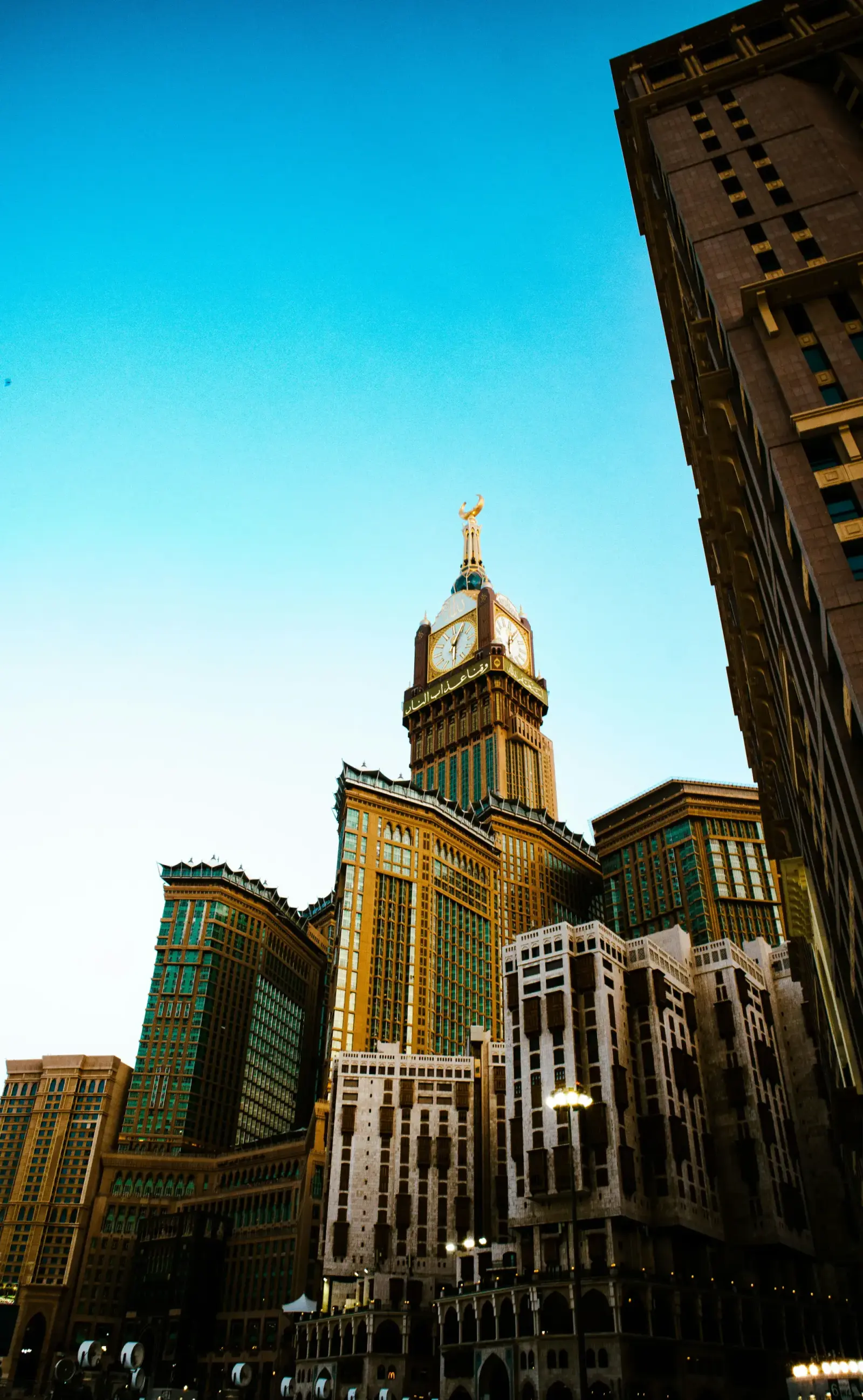
The towering Clock Tower (Abraj Al Bait) complex overlooks the Grand Mosque and is impossible to miss. Inside you'll find hotels, a vast multi-storey shopping mall, restaurants, and the Clock Tower Museum near the top, with exhibits on astronomy and timekeeping and panoramic views over the Haram. It's the most convenient place to shop, eat and rest just steps from the mosque.
8. Visit the Makkah Museums and Exhibitions
Makkah has invested in attractions that help visitors understand its history:
- The Exhibition of the Two Holy Mosques Architecture displays original components from the historic Ka'bah and the Grand Mosque, including an old door of the Ka'bah and pieces of the kiswah (covering).
- The Makkah Museum (Al-Zahir Palace) covers the heritage and natural history of the region.
- The Revelation Exhibition (Exhibition of the Prophet's Biography) uses multimedia to tell the story of the Prophet's ﷺ life and the start of revelation.
These are excellent, air-conditioned stops, especially with family.
9. Take in the View from Jabal Omar and the Heights
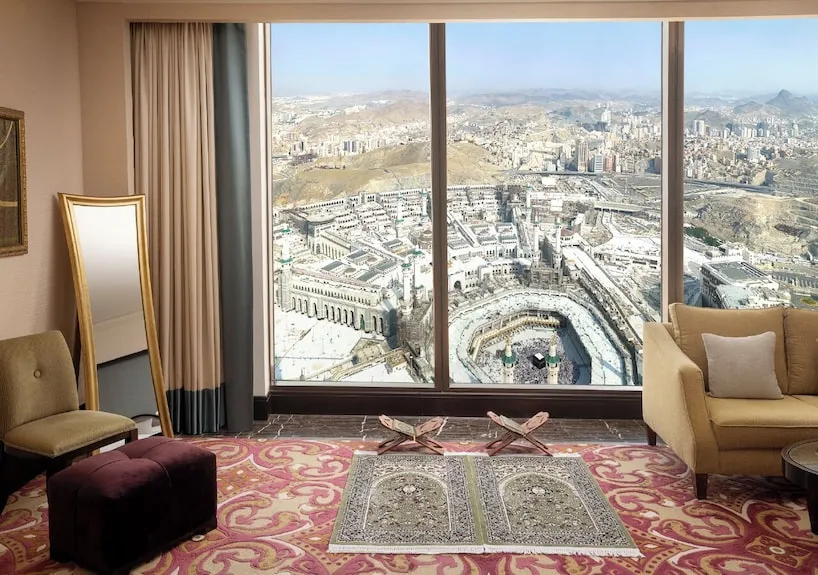
The hills around the Haram, now developed with the Jabal Omar project, offer dramatic vantage points over the Grand Mosque, particularly at night when the mosque is illuminated. Many hotels and viewing terraces in the area look directly down on the Ka'bah courtyard — a breathtaking sight that's worth seeking out even if you're not staying there.
10. Eat: Makkah's Food Scene
Pilgrims arrive from every nation, and Makkah's food reflects it:
- Saudi and Hejazi classics — mandi, kabsa, and the local breakfast staples.
- A global spread around the Haram — Turkish, Indian, Pakistani, Indonesian, Egyptian and Levantine restaurants, plus international fast-food chains in the malls.
- Saudi coffee and dates offered everywhere as a gesture of hospitality.
The Abraj Al Bait food court and the streets ringing the Haram have options for every taste and budget.
11. Shop for Gifts, Perfumes and Prayer Items
Makkah is a great place to pick up meaningful souvenirs:
- Malls like Abraj Al Bait and Al Diyafa offer brands, electronics and a cool refuge from the heat.
- Traditional markets and shops sell prayer mats, tasbeeh beads, Qur'ans, ihram garments, oud and attar perfumes, dates and Zamzam containers.
Prices and quality vary, so it's worth comparing a few shops before buying.
A Suggested Makkah Itinerary
Around your Umrah and daily prayers, this rhythm works well for a few days in Makkah:
| Day | Morning | Afternoon / Evening |
|---|---|---|
| Day 1 | Arrive, settle in, perform Umrah; prayers at Al-Masjid al-Haram | Rest; Zamzam; explore Abraj Al Bait mall |
| Day 2 | Visit museums (Two Holy Mosques Architecture, Revelation Exhibition) | Optional ziyarat: view Jabal al-Noor and Jabal Thawr |
| Day 3 | Drive to the holy sites — Arafah, Muzdalifah, Mina (outside Hajj) | Shopping, gifts, final Tawaf (Tawaf al-Wada') |
Keep prayer at the Grand Mosque as the anchor of each day and arrange optional ziyarat around it.
Practical Tips for Visiting Makkah
- Stay as close to the Haram as you can. It transforms your trip — you'll return for far more prayers. Compare neighbourhoods, distances and prices in our best areas to stay in Makkah for Umrah guide.
- The mountain climbs (Hira, Thawr) are optional and strenuous. They are not part of Umrah or Hajj; go only if you're fit, well-hydrated and have time, and avoid the midday heat.
- Keep your worship for Allah alone at every site, and follow mosque and crowd etiquette.
- Pack smart. Our Umrah packing list covers ihram, comfortable footwear and essentials, and the best time for Umrah helps you pick a season.
- Getting around. A Saudi eSIM keeps maps and ride-hailing apps working. Arriving via Jeddah? See Jeddah airport to Makkah. Continuing to Madinah? Read how to travel between Makkah and Madinah.
Explore more in our Makkah travel hub.
Frequently Asked Questions
What are the best things to do in Makkah?
The essentials are performing Umrah and Tawaf at the Ka'bah, praying in Al-Masjid al-Haram, and drinking Zamzam. Beyond worship you can visit Jabal al-Noor (Cave of Hira), the Cave of Thawr, the holy sites of Arafah, Mina and Muzdalifah, the museums and exhibitions, and the Clock Tower complex with its mall and viewpoints.
How many days do you need in Makkah?
For Umrah, three to five days is typical and lets you perform the rites unhurried, pray often at the Grand Mosque, and fit in ziyarat and the city's attractions. Hajj follows a fixed multi-day schedule set by the rites themselves.
Can you visit the Cave of Hira and Cave of Thawr?
Yes, both can be visited, but the climbs are steep and physically demanding and are entirely optional — they are not part of Umrah or Hajj. Many visitors simply view the mountains from the base instead of climbing.
What is Makkah famous for?
Makkah is the holiest city in Islam, home to the Ka'bah and Al-Masjid al-Haram, the direction Muslims face in prayer, and the destination of the Hajj and Umrah pilgrimages. It is also the birthplace of the Prophet Muhammad ﷺ and the place where revelation of the Qur'an began.
Can non-Muslims visit Makkah?
No. Entry to Makkah is restricted to Muslims. The city and its sanctuary (the Haram boundary) may only be entered by Muslims.
What is the best time to visit Makkah for Umrah?
Outside the Hajj season and the busy last ten days of Ramadan, the cooler months (roughly November to March) are the most comfortable and least crowded. See our guide to the best time for Umrah for a full breakdown.
The Bottom Line
Makkah is, above all, a place of worship — and the greatest thing to do here is to perform your Umrah, pray in the Grand Mosque, and stand before the Ka'bah with a full heart. Around that, the mountains where revelation began, the plains of the Hajj, and a modern city of museums, malls and food round out a complete visit. Stay close to the Haram, keep the optional climbs in perspective, and let the worship lead.
Last updated: June 2026. This article is informational; for matters of personal religious practice, consult a qualified scholar.